1hr ferry · Quiet & local
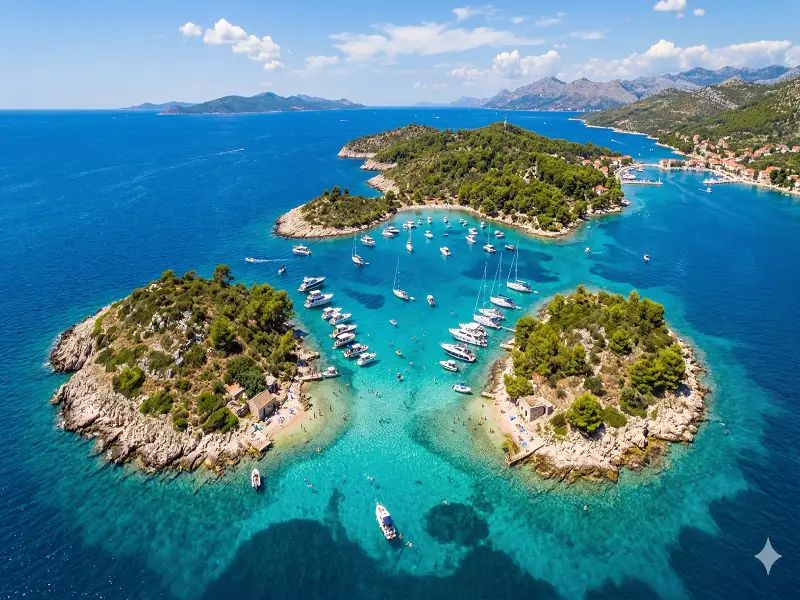
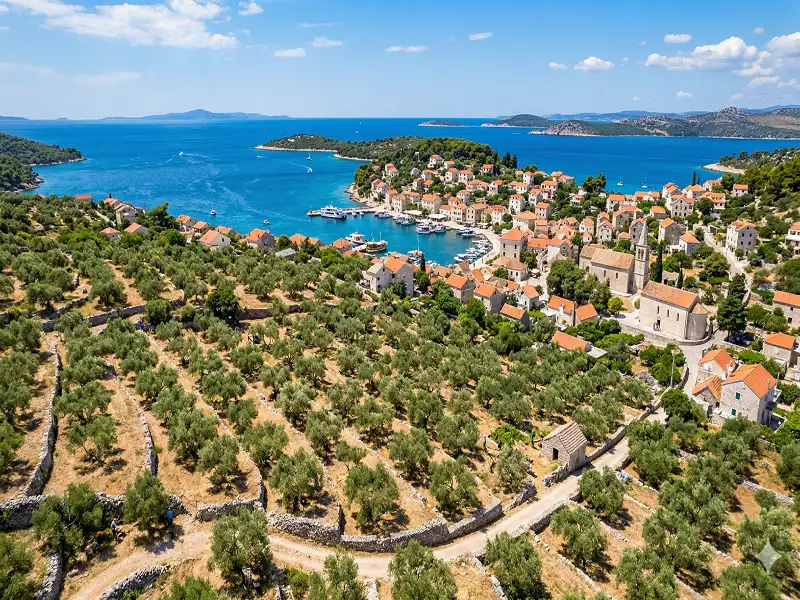
Šolta
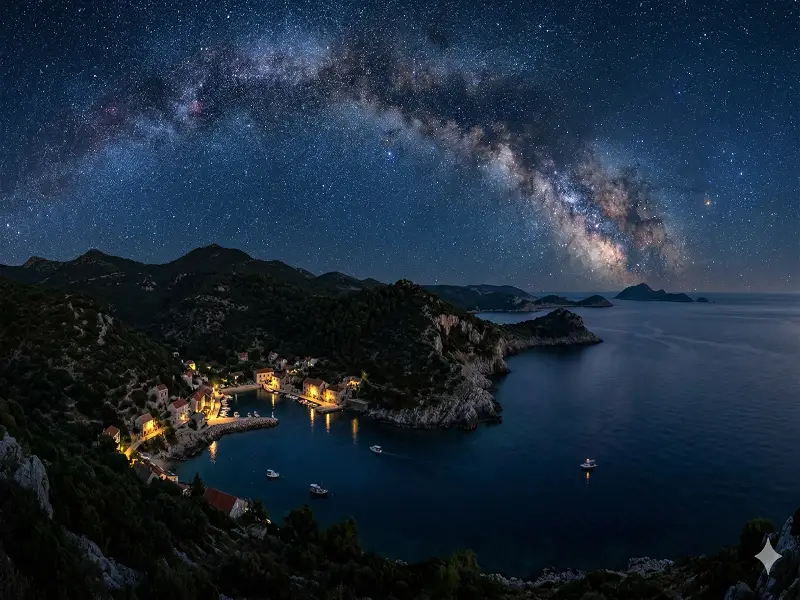
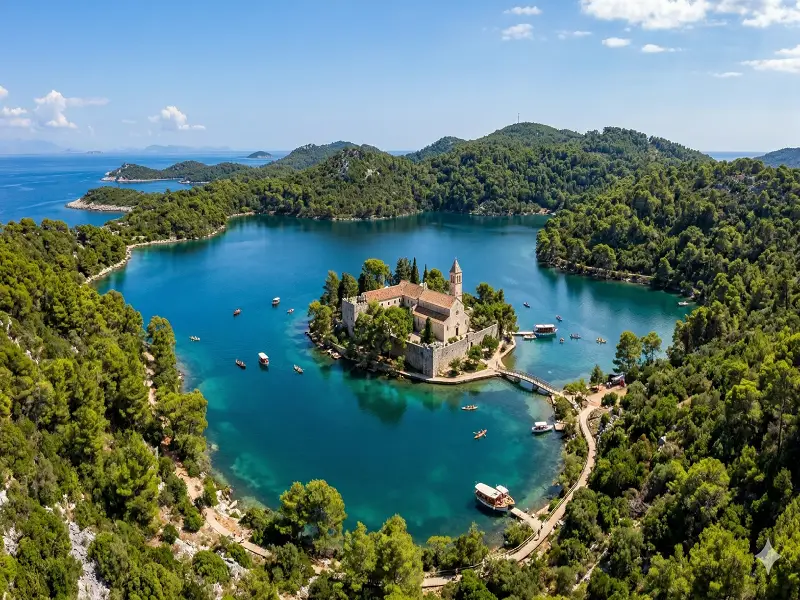
Split's quietest neighbour — unspoilt fishing villages, olive groves, honey farms and secluded coves. No big resorts, just authentic Dalmatian island life.
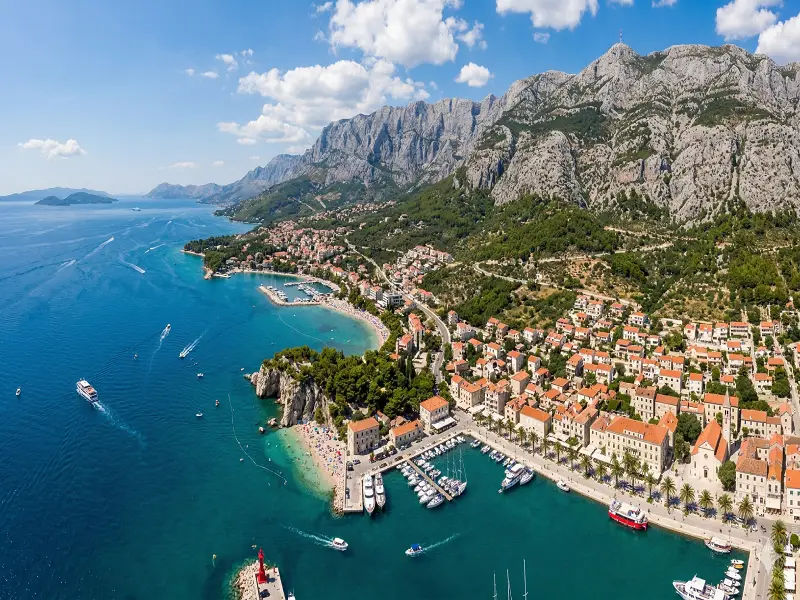
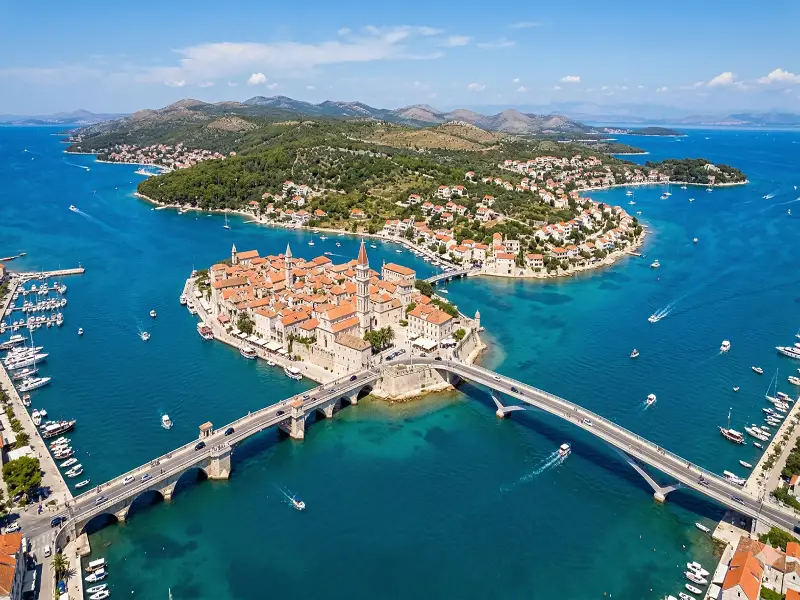
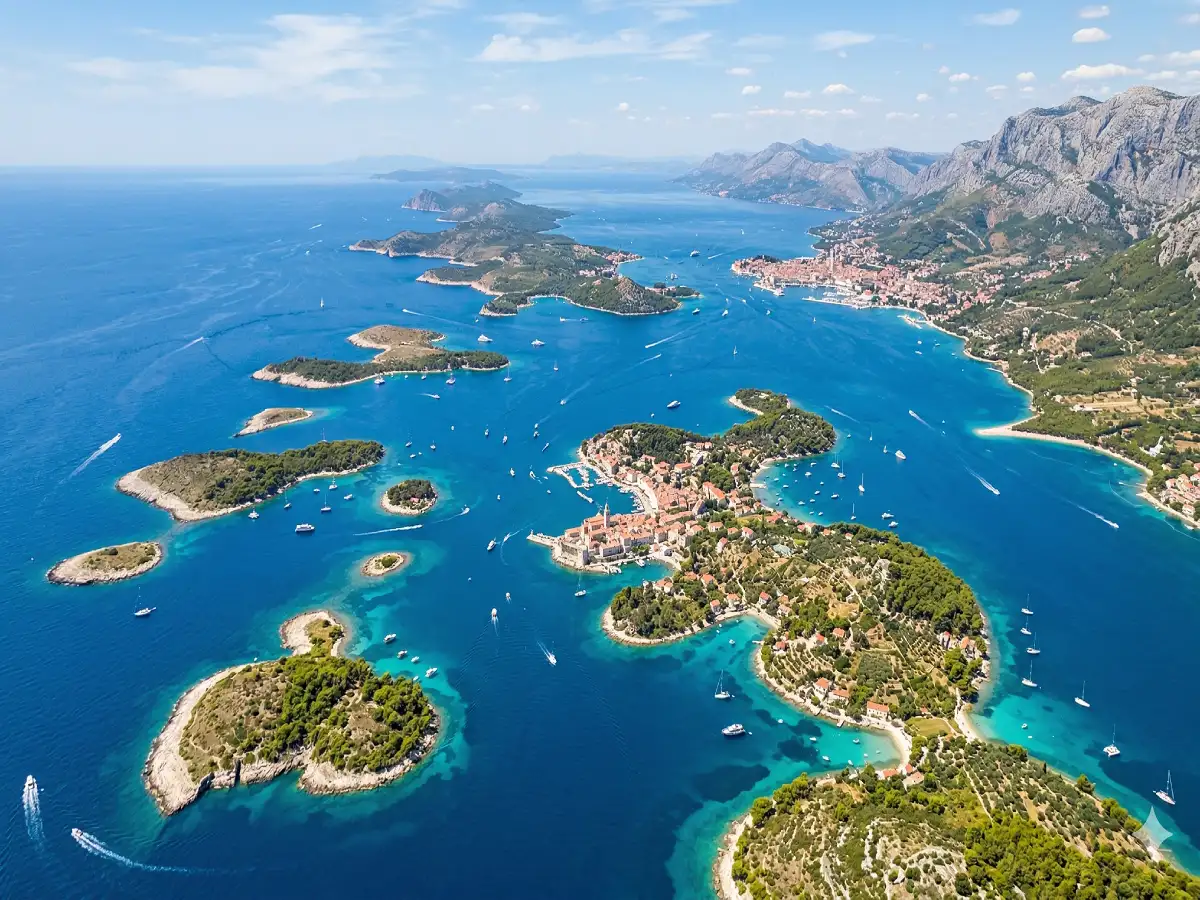
With over 50 islands within easy reach of Split's ferry port, the Dalmatian archipelago offers some of the most beautiful island scenery in the Mediterranean.
"All images on this website were generated by Gemini."
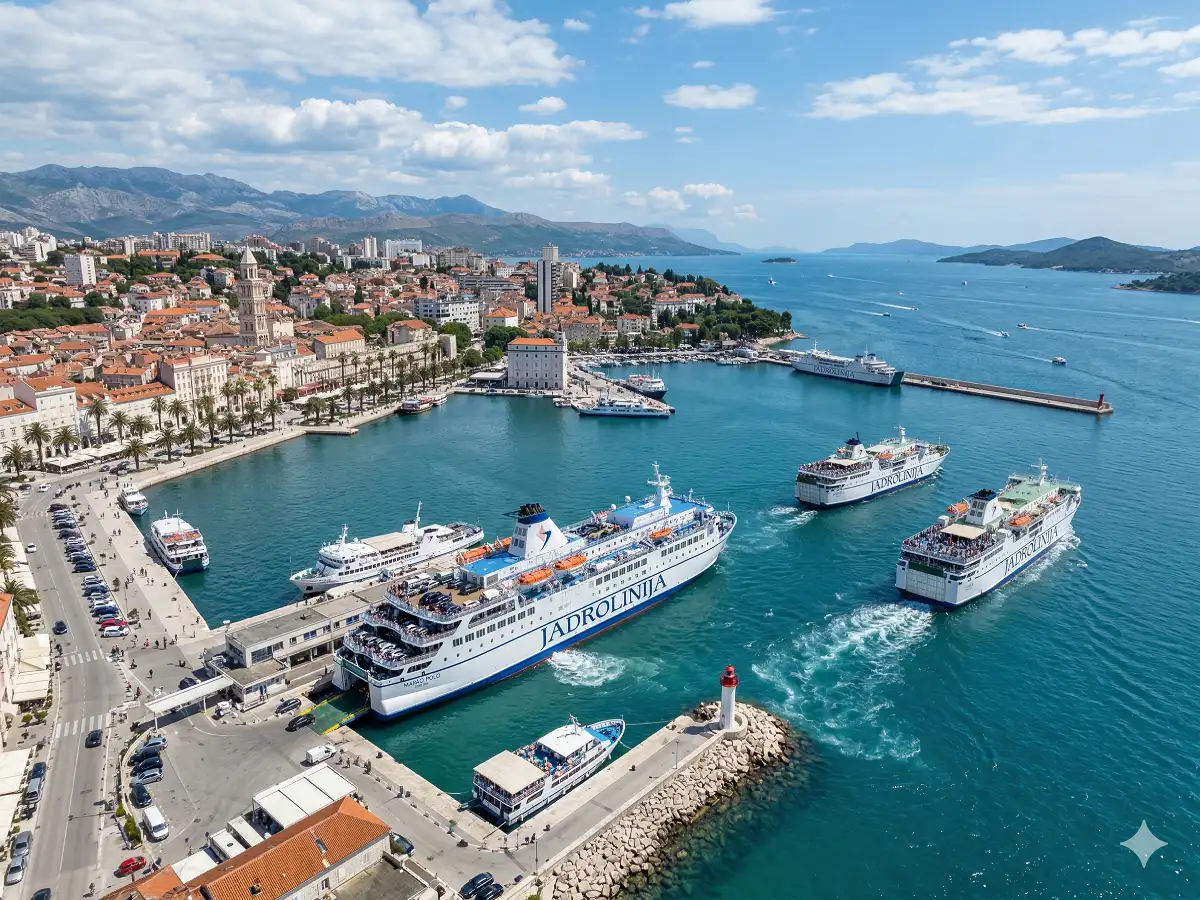
Split's central ferry port makes it the perfect base for island exploration. From a quick day trip to an overnight stay, each island has its own distinct character, landscape and pace of life.
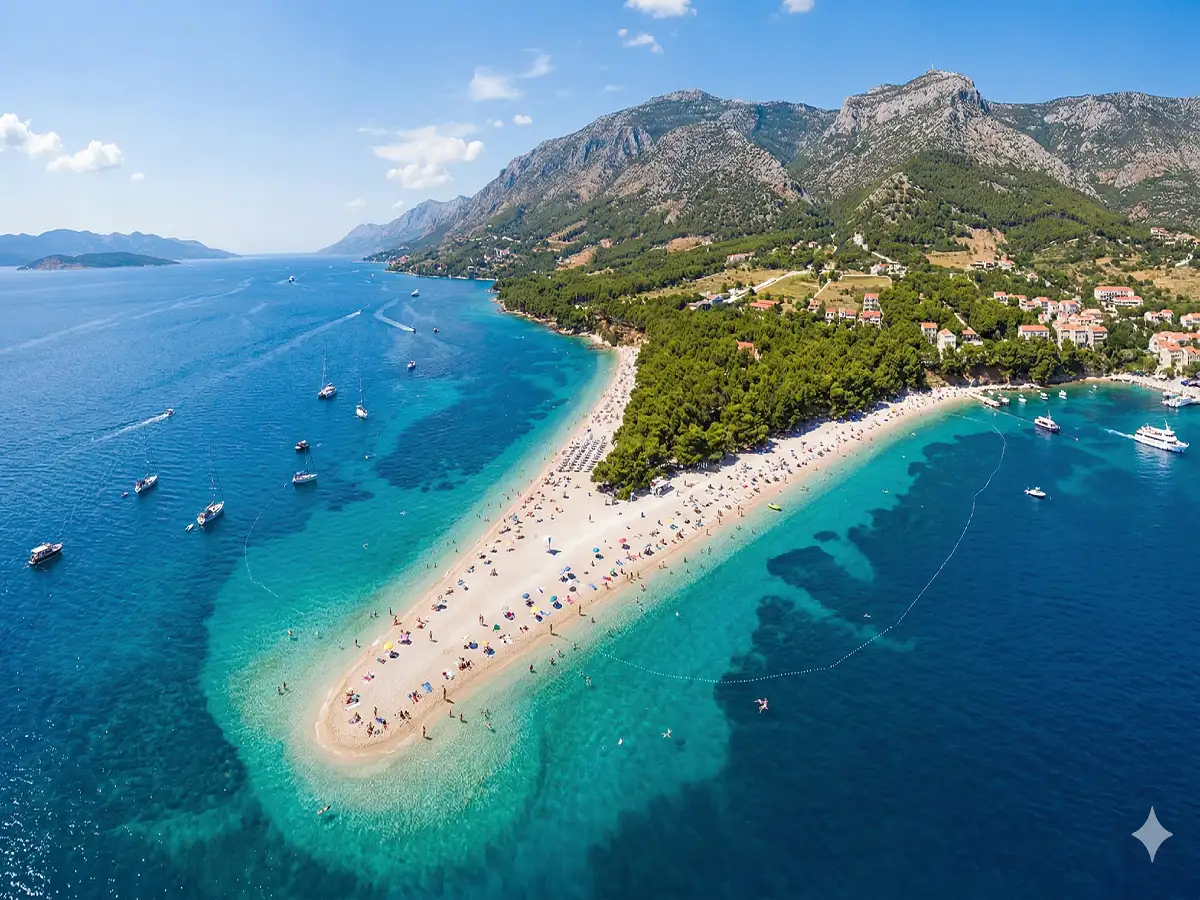
Brač is the largest island in Dalmatia and home to Croatia's most photographed beach — Zlatni Rat (Golden Cape) near the town of Bol. This extraordinary natural spit of golden shingle extends into the sea and shifts shape with the currents, pointing in different directions throughout the day. Bol itself is a charming small town and one of Europe's premier windsurfing destinations, with the maestral wind blowing reliably every afternoon. The island's interior offers excellent cycling and hiking, and the white limestone used to build Diocletian's Palace — and the White House in Washington — was quarried here.
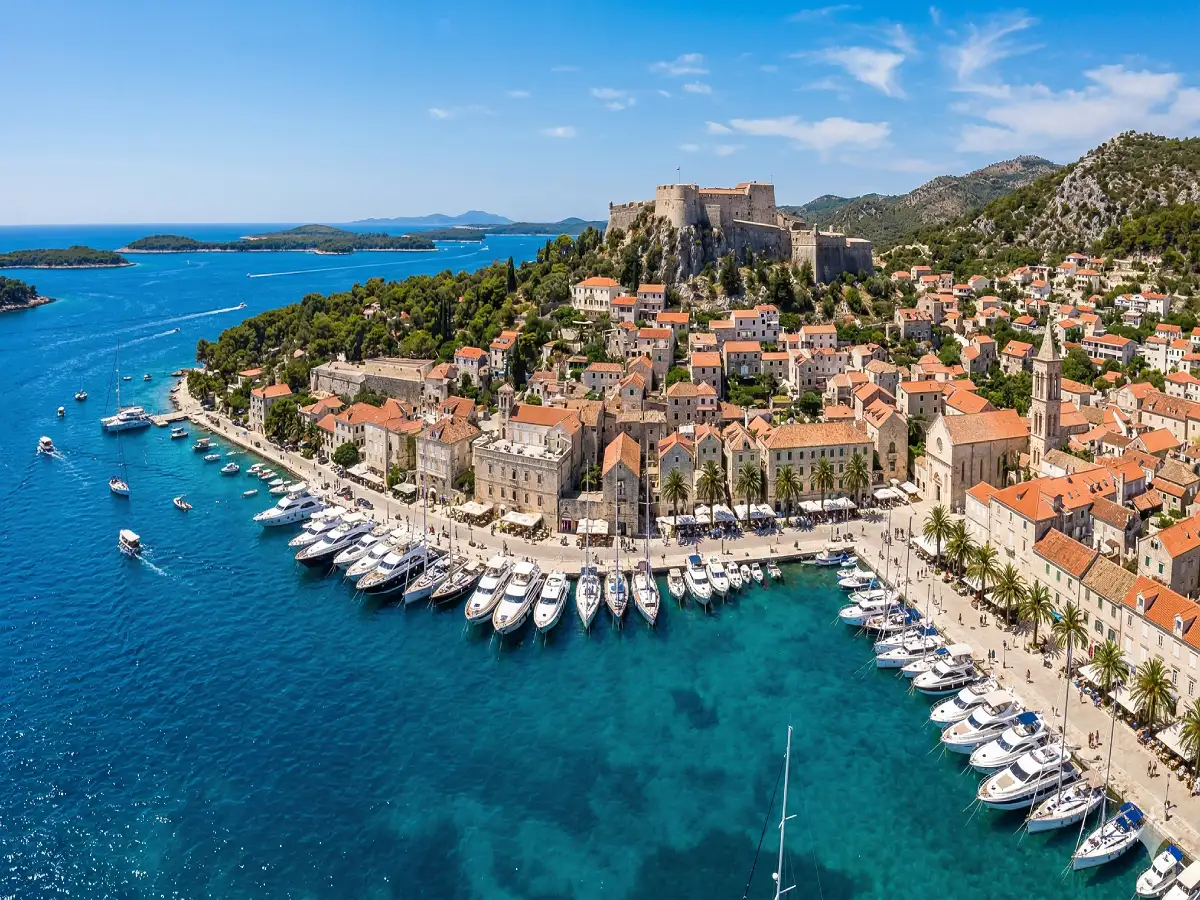
Hvar is Croatia's most glamorous island and its sunniest — averaging 2,726 sunshine hours per year. The stunning Hvar Town, with its 16th-century Renaissance square, Venetian loggia, and hilltop fortress (španjola) with panoramic views, is one of the most beautiful small towns in the Adriatic. Beyond the social buzz of the town, the island offers lavender fields in full bloom in June, crystal-clear Pakleni islands just offshore for swimming and snorkelling, and the medieval town of Stari Grad — itself a UNESCO World Heritage Site. The island also produces some of Croatia's finest wines.
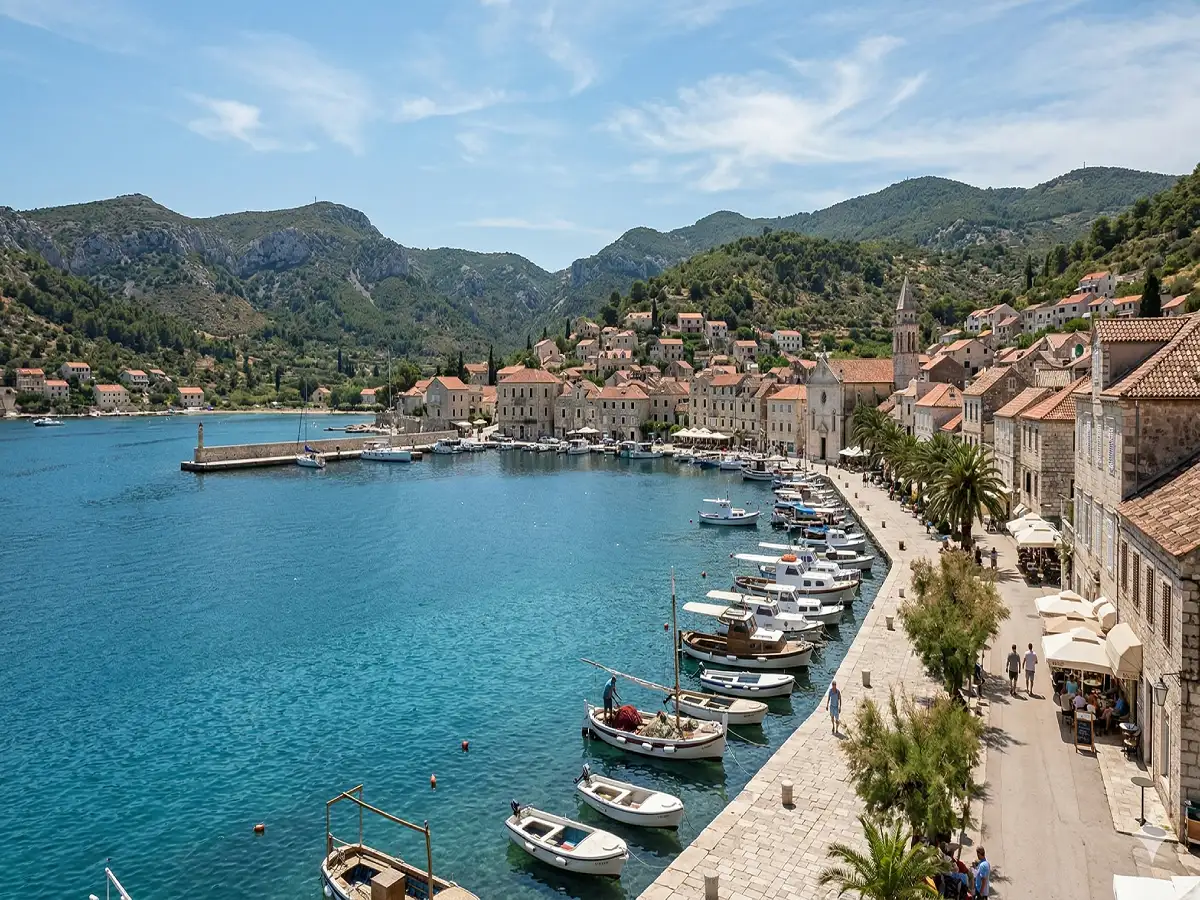
Vis is the furthest inhabited island from the Croatian mainland — a factor that, combined with decades of Yugoslav military use which restricted visitor access, has preserved it as one of the most authentic and unspoilt destinations in the Adriatic. The island has two main towns: Vis Town, with Roman-era remains, and Komiža, a charming fishing village. The famous Blue Cave (Modra špilja) on nearby Biševo island is one of Croatia's most extraordinary natural wonders — sunlight enters through an underwater opening and reflects off the white sandy seabed, bathing the interior in an ethereal electric-blue glow. The island was also one of the filming locations for Mamma Mia 2.
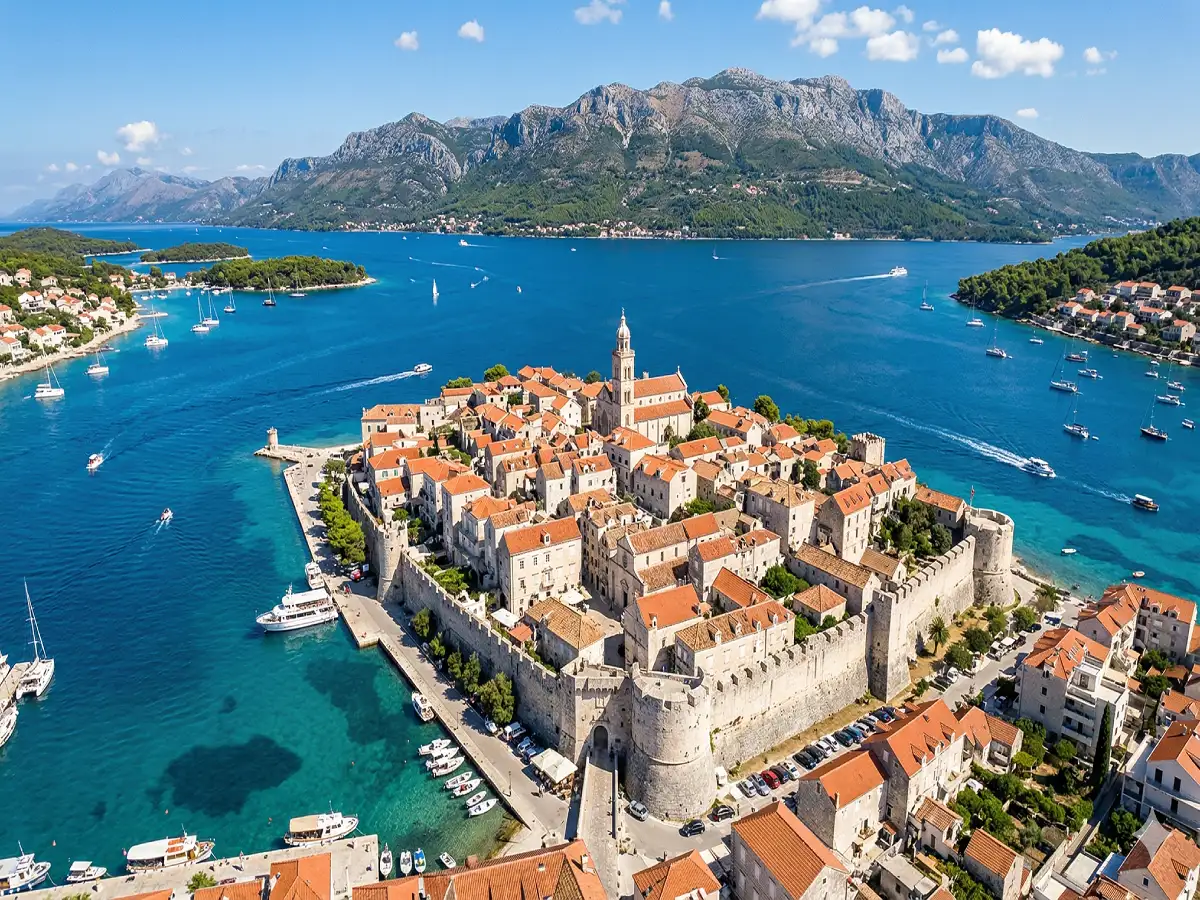
Korčula's Old Town is a perfectly preserved medieval walled settlement, often compared to a smaller Dubrovnik. Its herringbone street plan was designed to allow sea breezes to cool the streets in summer while blocking cold winter winds — a remarkable example of medieval town planning. Korčula is also reputedly the birthplace of Marco Polo. The island produces two of Croatia's finest white wines — Grk (found nowhere else in the world) and Pošip. The Moreška sword dance, performed in the town, is one of Croatia's most distinctive folk traditions.
The smaller and more remote islands often offer the most rewarding experiences — fewer tourists, lower prices and a more authentic slice of Dalmatian island life.